


2 car garage
September 25, 2026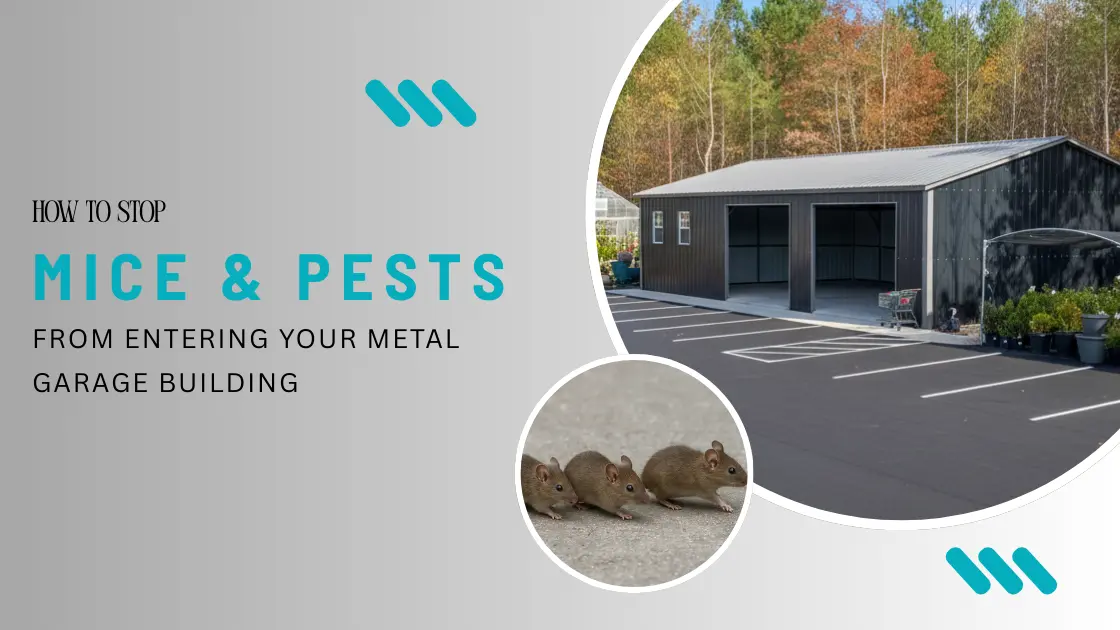
Keeping your metal garage building pest-free might sound like an endless battle, but it doesn’t have to be. Whether you use your garage for storage, vehicles, or a small workshop, a few unwanted guests like mice, spiders, or insects can turn it into a messy, smelly, and unsafe space. The good news is, you can protect your garage with smart prevention methods that actually work.
Let’s go through some practical ways to prevent pests from moving into your steel garage building.
Even though metal garages are stronger and more secure than wooden ones, small pests always find clever ways to sneak inside. Mice, for example, can squeeze through holes as small as a dime. They are drawn to the warmth, dryness, and shelter your garage offers, especially during colder months.
As you know already, the metal garages are stronger and more secure than wooden ones. But still, small pests always find clever ways to sneak inside. Mice, for example, can squeeze through holes as small as a dime. Actually, they are drawn to the warmth, dryness, and most importantly shelter your garage offers. Most pests move into your structure during colder months.
Typical entry points include:
Rodents and insects also get inside when you accidentally bring them in with boxes, old furniture, or stored firewood. Once they are in, they multiply fast. That’s why early prevention is key.
You Might Like: Why Galvanized Steel Is Best For Modern Steel Garages?
When it comes to mice, prevention is always easier than getting rid of them later. Once they settle in, they build nests, chew wires, and leave droppings everywhere. So let’s talk about five practical steps you can take right now to keep them out for good.
1. Seal Every Opening – No Matter How Small
Mice are sneaky. They can squeeze through spaces as tiny as a dime. So even if you think that little crack near your garage floor doesn’t matter, trust us, it does. Start by inspecting every inch of your garage, both inside and out. Look around door frames, wall corners, vents, and the space where electrical or plumbing lines enter.
Use steel wool for smaller holes because they can’t chew through it, and metal mesh or expanding foam sealant for larger ones. If your garage connects to your home, pay extra attention to the shared walls. One small gap can lead to an infestation that spreads fast.
2. Install Door Sweeps and Weatherstripping
The gap under your garage door might as well be a red carpet invitation for pests. Mice often enter garages by simply walking through that small space at the bottom. You can stop them easily by installing a heavy-duty rubber or vinyl door sweep. This not only blocks pests but also keeps dust, cold air, and rain from getting inside.
Replace any worn-out weatherstripping around doors and windows, too; it loses its tight seal over time. If you are using an automatic garage door, make sure it fully closes to the floor. Sometimes, it may look shut, but small gaps remain. Test it with a flashlight at night; if you see light leaking through, so can mice.
3. Keep the Area Clean and Organized
Mice thrive in cluttered spaces because they provide perfect hiding spots and nesting material. The more stuff piled up, the easier it is for them to go unnoticed. Start by decluttering your garage. Store boxes and supplies on sturdy shelves instead of directly on the floor. Avoid using cardboard boxes, as they are like luxury condos for mice. Instead, go for plastic or metal storage bins with tight lids.
Also, clean up crumbs, food scraps, or pet food immediately. If you keep animal feed or birdseed in your garage, transfer it into sealed containers. Even a small bag of grains or snacks can attract rodents from far away. A clean space doesn’t just look better; it makes it much harder for pests to survive.
4. Fix Moisture Issues and Improve Airflow
Most people don’t realize this, but pests love damp, humid areas. Water sources make your garage more inviting for insects and rodents. Check for leaky pipes, condensation near walls, or puddles after rain. Use a dehumidifier if your area is naturally humid, and make sure your garage has proper ventilation.
Not only will this discourage pests, but it will also protect your tools, car parts, and stored items from rust or mold. If your garage has drains, cover them with mesh screens to keep pests from crawling through. A dry, well-ventilated garage is one that pests will find unappealing.
5. Use Natural and Safe Repellents
Chemical traps and poisons can be dangerous if you have pets or kids. Luckily, there are safer, natural options that still work well.
If you are already dealing with a few mice, combine repellents with sealing and cleaning for the best results. The idea is to make your metal garage as unwelcoming as possible so they never come back.
A Quick Pro Tip: After applying all these steps, do a weekly check, especially during colder months. Mice are clever and persistent, so regular inspections will help you catch any early signs of their return.
If you own a steel garage building, focus on long-term prevention rather than quick fixes. Steel structures are already more resistant to chewing and rot, but pests still look for easy entry.
Little steps like these go a long way in making your garage pest-proof without using harsh chemicals.
You can handle mild infestations with simple cleaning and sealing. But if you start seeing droppings, chewed wires, or constant scratching noises, it’s time to call professionals.
Pest control experts can inspect hidden areas, find entry points you might miss, and safely remove infestations. They can also advise you on prevention strategies tailored to metal structures.
Still, DIY maintenance is your first and most affordable defense. Think of professionals as your backup plan.
Check This Out: Steel Gauge 101: Choosing The Right Frame For Your Garage
Many homeowners prefer natural pest control over chemical sprays, especially when pets or kids are around. Here are some simple, eco-friendly solutions:
Eco-friendly solutions are great for people who want a safer environment without compromising cleanliness.
Consistency is everything. Once a month, give your garage a quick check. It will help you handle the issues effectively without a daily headache.
If your structure is a prefabricated metal garage, maintenance is even easier. The panels are designed to fit tightly, reducing gaps and cracks through which pests can enter. Plus, metal doesn’t absorb moisture like wood, so it naturally discourages insects and mold. A clean and sealed garage not only stays pest-free but also lasts longer and looks better.
In the end, keeping pests out of your garage is not about luck!
It’s about smart prevention. Regular cleaning, sealing gaps, and managing moisture will do wonders. Whether you have a prebuilt garage building or a custom metal design, taking these small steps now will save you time, money, and stress later. So, if you are planning to upgrade or replace your existing garage, choose a structure built to resist pests from day one. For this, partner with a top metal building dealer in your area who can offer high-quality steel garages with proper anchoring and insulation.


Last Call for Summer Savings! Get Up To 30% Off |View Offer >>
Last Call for Summer Savings! Get Up To 30% Off |View Offer >>
Last Call for Summer Savings! Get Up To 30% Off |View Offer >>
Last Call for Summer Savings! Get Up To 30% Off |View Offer >>
Last Call for Summer Savings! Get Up To 30% Off |View Offer >>
Last Call for Summer Savings! Get Up To 30% Off |View Offer >>
Last Call for Summer Savings! Get Up To 30% Off |View Offer >>
Last Call for Summer Savings! Get Up To 30% Off |View Offer >>
Last Call for Summer Savings! Get Up To 30% Off |View Offer >>
Last Call for Summer Savings! Get Up To 30% Off |View Offer >>
Last Call for Summer Savings! Get Up To 30% Off |View Offer >>
Last Call for Summer Savings! Get Up To 30% Off |View Offer >>
Last Call for Summer Savings! Get Up To 30% Off |View Offer >>
Last Call for Summer Savings! Get Up To 30% Off |View Offer >>