2 car garage
November 19, 2026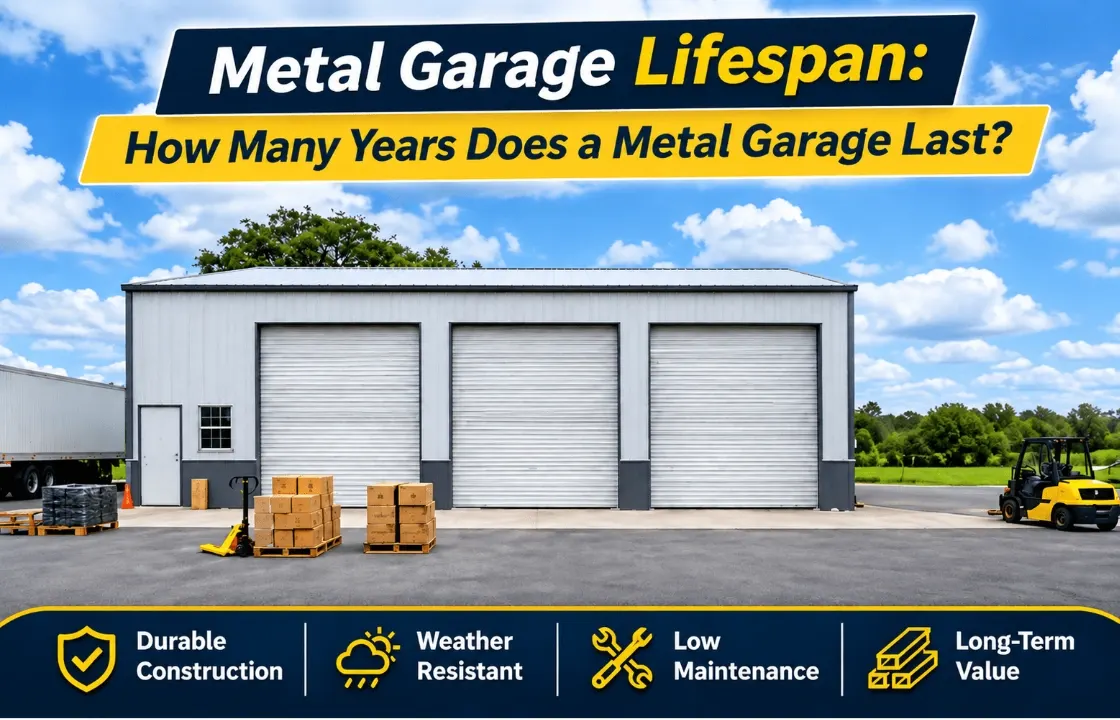
A metal garage can last for 40-50 years when it is built with quality steel, installed correctly, and maintained regularly. However, the metal garage lifespan varies depending on factors such as steel thickness, protective coatings, weather exposure, foundation quality, and drainage. For example, a garage in a dry inland area may face fewer corrosion risks than one exposed to coastal salt air and high humidity.
Using galvanized steel panels, ensuring proper installation, and following a consistent metal building maintenance routine can help protect the structure over time. Understanding these factors will help you make informed decisions and improve your steel garage’s long-term durability.
A well-designed and properly maintained steel garage can serve up to 50 years, and some steel buildings remain in use even for more years. However, a general lifespan estimate should not be treated as a guarantee.
The frame, roof panels, fasteners, paint finish, and garage doors may also age at different rates. For example, the main steel frame may remain structurally sound while a few roof screws, seals, or exterior panels need repair.
When evaluating a building, consider three aspects:
The metal garage lifespan depends on how these parts perform together, not just on the strength of the steel frame.
Steel quality and thickness influence steel garage durability. The framing supports the building, while the roof and wall panels protect its interior from weather.
Steel gauge is one specification worth checking. A lower gauge number generally indicates thicker sheet steel. However, gauge alone does not tell you whether a building is structurally suitable. Framing design, steel grade, spacing, connections, and engineering requirements also matter.
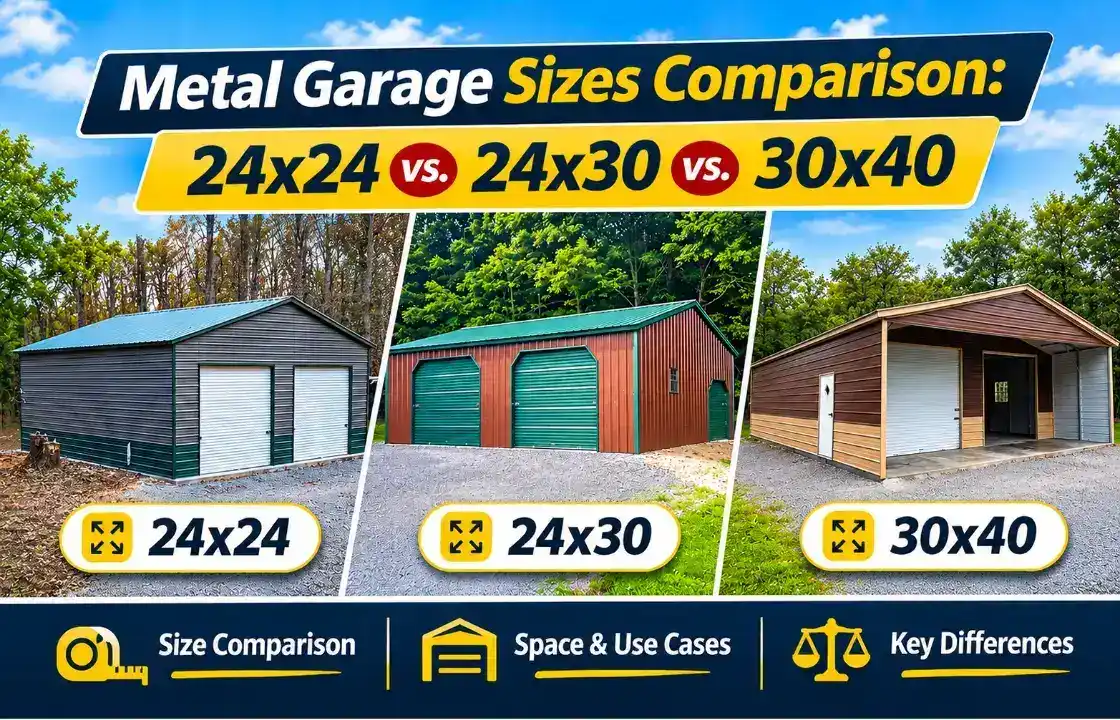
For example, a 24×30-foot garage has 720 square feet of floor area. Its framing requirements may differ from those of a 30×40-foot garage with 1,200 square feet, especially if the larger building has wider openings or a different roof design.
Ask the supplier for the framing and panel specifications instead of comparing buildings × appearance alone.
Steel can corrode when moisture and oxygen reach its surface. Protective coatings help slow this process.
Galvanized steel panels have a zinc coating that protects the underlying steel. Zinc can also provide limited sacrificial protection around small damaged areas. However, it cannot prevent corrosion indefinitely, particularly if the coating is badly damaged or the panels remain exposed to moisture.
Painted finishes provide another protective layer. Their performance depends on the coating type, application quality, and environmental exposure.
Before choosing a pre-engineered garage, check:
Inspect galvanized steel panels for scratches, corrosion, and damaged edges. Repairing exposed areas early helps protect the metal underneath.
Weather conditions have a direct effect on steel garage durability. Rain, humidity, salt air, snow, and strong winds create different challenges.
For instance:
A building designed for a mild climate should not automatically be assumed suitable for a high-wind or heavy-snow location. Its engineering specifications must match the property.
Even good-quality steel can develop problems if the garage is installed incorrectly. A suitable foundation helps keep the structure stable and transfers its loads safely into the ground.
For context, a 4-inch concrete slab is commonly used for many residential garage applications, while heavier vehicles or equipment may require a thicker, engineered foundation. These are starting points, not universal specifications. Soil conditions, building loads, frost depth, and local codes determine the actual requirements.
During installation, pay attention to:
Poor anchoring or an uneven foundation can contribute to movement, gaps, and water entry. Read this guide to metal building foundation requirements before planning installation.
Water collecting around a garage can increase corrosion risks and affect the foundation. Good drainage helps move rainwater away from the structure.
Keep these points in mind:
Moreover, metal garage condensation prevention is crucial to stop roof leaks. It can form when humid air meets a cooler metal surface. Wet vehicles, poor airflow, and ground moisture can add to the problem. If moisture regularly appears on the roof or walls, identify its source before choosing a solution. Also ensure accurate metal garage ventilation if you want to deal with condensation.
Consistent metal building maintenance helps catch small issues before they become more serious. You do not need a complicated routine, but inspections should be regular.
Check the following areas:
Clean the building when needed using suitable methods that will not damage its finish. Repair scratches with products recommended for the coating system.
Consider two hypothetical garages. Neither example predicts an exact service life. They show why the same type of steel building may need different care depending on its surroundings.
| Factor | Example 1: Inland Garage | Example 2: Coastal Garage |
| Building size | 24 × 30 ft (720 sq. ft.) | 30 × 40 ft (1,200 sq. ft.) |
| Environment | Relatively dry inland area | Humid area with salt air |
| Main exposure | Seasonal rain and temperature changes | Salt, humidity, and frequent moisture |
| Key concern | Drainage and occasional coating damage | Corrosion around joints and fasteners |
| Maintenance focus | Roof, gutters, anchors, and surface checks | More frequent coating, panel, and fastener inspections |
Example 1: A 24-×-30-foot inland garage
Imagine a garage used to store two vehicles and garden equipment. It has a suitable foundation, correctly installed anchors, and a roof designed for local weather conditions.
The owner checks the roof and fasteners every six months, clears the gutters, and repairs scratches when they appear. Since the site has relatively low salt exposure, corrosion risks may be easier to manage.
Example 2: A 30-×-40-foot coastal garage
Now consider a larger garage used for vehicles and workshop equipment near the coast. Salt-laden air and higher moisture exposure create additional corrosion risks. The owner may need to inspect exposed fasteners, panel edges, and protective finishes more frequently. Keeping drainage clear and addressing damaged coatings quickly are especially important.
The comparison shows that building size alone does not determine the metal garage lifespan. Location, installation quality, protective finishes, and maintenance habits all influence long-term performance.
Use this simple schedule as a starting point. Adjust it to suit the building’s location and exposure.
| Frequency | Inspection or task |
| Monthly | Look for visible leaks, standing water, and new damage |
| Every 6 months | Check panels, fasteners, doors, gutters, and drainage |
| After severe weather | Inspect the roof, anchors, and panels for damage |
| As needed | Clean surfaces, repair scratches, and treat corrosion |
The metal garage lifespan depends on more than the steel used in its construction. Material quality, protective coatings, proper installation, drainage, and regular metal building maintenance all contribute to long-term performance.
Choose a garage designed for your local weather and intended use. Check its specifications, follow the installation requirements, and inspect it regularly. These steps help protect the structure and reduce preventable damage over time.
Expand each item below to explore a few helpful answers before moving to the next blog post.
A well-designed metal garage can last for many years with quality steel, proper installation, protective coatings, and regular maintenance. However, its actual lifespan depends on weather exposure, foundation quality, drainage, and upkeep.
The six main factors affecting metal garage lifespan are steel quality and thickness, protective coatings, climate and weather exposure, installation and foundation quality, drainage and moisture control, and regular maintenance. Each factor contributes to the building's long-term durability.
Yes. Galvanized steel panels have a zinc coating that helps protect the underlying steel from corrosion. This coating can also provide limited protection around small damaged areas. However, scratches and damaged edges should be repaired promptly to maintain corrosion resistance.
Yes. Weather conditions can significantly affect metal garage durability. Coastal salt air increases corrosion risks, high humidity can cause moisture problems, heavy snowfall requires adequate roof load capacity, and strong winds require properly engineered framing and anchoring.
Yes. An uneven or improperly designed foundation can cause structural movement, gaps, and water entry. A suitable foundation, proper site preparation, and correctly installed anchors help maintain the garage's stability and long-term performance.
A metal garage should receive basic visual checks monthly, with more detailed inspections every six months. Check roof and wall panels, fasteners, garage doors, gutters, drainage, and protective coatings. Also inspect the structure after severe weather and repair damage as needed.
To prevent rust and corrosion, choose galvanized steel panels, maintain protective coatings, repair scratches promptly, keep gutters clean, and ensure proper drainage around the building. Regularly inspect fasteners, panel edges, and joints, particularly in coastal and humid environments.
BLACK FRIDAY & CYBER MONDAY SALE! UP TO 30% OFF |View Offer >>
BLACK FRIDAY & CYBER MONDAY SALE! UP TO 30% OFF |View Offer >>
BLACK FRIDAY & CYBER MONDAY SALE! UP TO 30% OFF |View Offer >>
BLACK FRIDAY & CYBER MONDAY SALE! UP TO 30% OFF |View Offer >>
BLACK FRIDAY & CYBER MONDAY SALE! UP TO 30% OFF |View Offer >>
BLACK FRIDAY & CYBER MONDAY SALE! UP TO 30% OFF |View Offer >>
BLACK FRIDAY & CYBER MONDAY SALE! UP TO 30% OFF |View Offer >>
BLACK FRIDAY & CYBER MONDAY SALE! UP TO 30% OFF |View Offer >>
BLACK FRIDAY & CYBER MONDAY SALE! UP TO 30% OFF |View Offer >>
BLACK FRIDAY & CYBER MONDAY SALE! UP TO 30% OFF |View Offer >>
BLACK FRIDAY & CYBER MONDAY SALE! UP TO 30% OFF |View Offer >>
BLACK FRIDAY & CYBER MONDAY SALE! UP TO 30% OFF |View Offer >>
BLACK FRIDAY & CYBER MONDAY SALE! UP TO 30% OFF |View Offer >>
BLACK FRIDAY & CYBER MONDAY SALE! UP TO 30% OFF |View Offer >>